

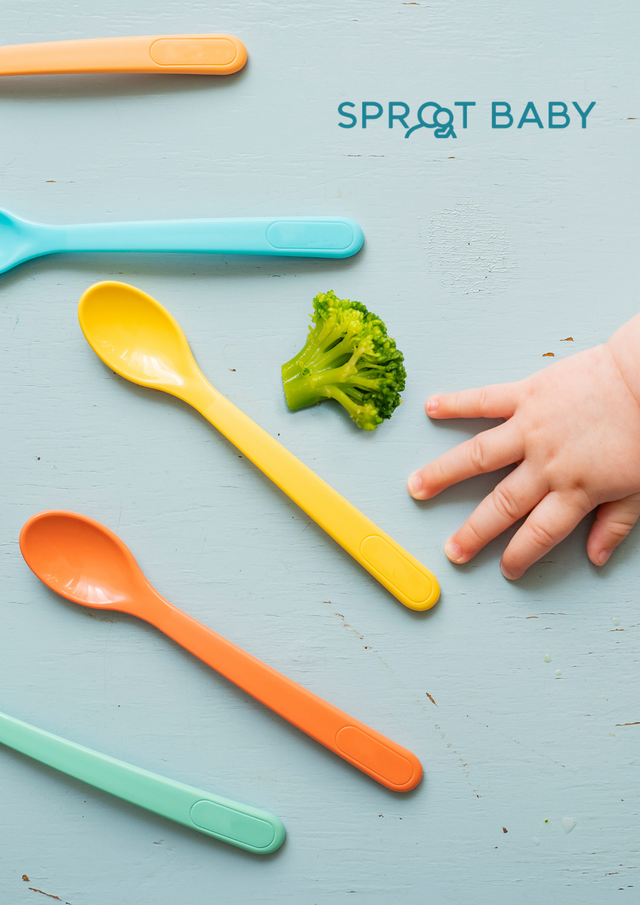
The 3 stages of weaning: a complete guide to starting solids with your baby
Weaning is one of the biggest milestones in your baby's first year. Introducing solid foods opens up a whole new world of flavours, textures and experiences, but it's completely normal to feel unsure about where to begin.
Whether you're planning your baby's first spoonful or wondering what comes next, understanding the three stages of weaning can make the journey feel much simpler.
And while weaning can get wonderfully messy, having plenty of comfortable organic baby clothes and a quality baby bib on hand certainly helps.
What is weaning?
Weaning is the gradual process of introducing solid foods alongside breast milk or formula until your baby develops a varied and balanced diet.
Most babies are ready to begin weaning at around six months of age, when milk alone no longer provides all the nutrients they need, particularly iron.
The goal isn't to replace milk overnight but to slowly introduce new tastes, textures and eating skills while allowing your baby to progress at their own pace.
Stage 1: introducing solids (around 6 months)
The first stage of weaning is all about exploration.
Your baby may only eat a teaspoon or two at first, and that's perfectly normal. The focus is on helping them experience new foods rather than consuming large amounts.
Foods to start with
Simple, single-ingredient foods work best, including:
- Pureed apple or pear
- Mashed banana
- Sweet potato
- Carrot
- Peas
- Porridge oats mixed with breast milk or formula
Introduce one new food at a time and wait several days before adding another to help identify any allergies or sensitivities.
Tips for stage 1
- Start with one meal each day.
- Keep textures smooth and easy to swallow.
- Let your baby explore at their own pace.
- Continue regular milk feeds alongside solids.
A good baby bib can make clean-up much easier during these early experiments.
Stage 2: exploring textures (7 to 9 months)
Once your baby is comfortable with purees, they're ready to move on to thicker and lumpier foods.
This stage encourages chewing skills and introduces greater variety.
Foods to offer
- Mashed avocado
- Soft peaches
- Broccoli florets
- Mashed beans
- Lentils
- Soft cooked chicken
- Flaked fish
You can also begin offering finger foods to encourage self-feeding.
Tips for stage 2
- Increase texture gradually.
- Offer two or three meals each day.
- Introduce soft finger foods.
- Continue exposing your baby to different flavours.
Mess is part of the learning process, so having spare organic sleepsuits and bodysuits nearby can be invaluable.
Stage 3: developing independence (10 to 12 months)
By this stage, your baby is becoming much more confident with eating and can begin enjoying modified versions of family meals.
Milk remains important but solid foods now make up a larger proportion of their diet.
Foods to include
- Soft pasta
- Rice
- Chopped fruit
- Cooked vegetables
- Small pieces of chicken or fish
- Yoghurt
- Cheese
Tips for stage 3
- Encourage self-feeding where possible.
- Offer balanced meals from different food groups.
- Avoid foods high in salt or added sugar.
- Continue introducing new tastes and textures.
This stage is all about building independence and confidence around food.
How to create a successful weaning plan
Every baby develops differently, but having a simple plan can make weaning feel less overwhelming.
1. Start simple
Choose single-ingredient foods before progressing to more complex meals.
2. Create a routine
Offering solids at similar times each day helps establish predictable mealtimes.
3. Offer plenty of variety
Include fruits, vegetables, grains and protein sources to encourage a broad palate.
4. Follow your baby's cues
If they seem full or uninterested, avoid pressuring them to eat.
5. Stay flexible
Some babies embrace solids immediately while others need longer to adjust. Both are completely normal.
Dressing for messy mealtimes
Weaning is guaranteed to involve spills, splashes and food-covered fingers.
Choosing comfortable, easy-to-wash organic sleepsuits, bodysuits and other baby essentials means you can focus on enjoying the experience rather than worrying about outfit changes.
Sproot's soft organic cotton clothing is designed for everyday adventures - including first tastes of mashed banana.
Browse the full Shop All collection to find practical essentials that are made for every stage of your baby's development.
Frequently asked questions
When should I start weaning my baby?
Current UK guidance recommends introducing solid foods from around six months, while continuing breast milk or formula.
How many meals should a 6-month-old have?
Most babies begin with one meal per day before gradually increasing as their confidence grows.
Can I combine spoon feeding and baby-led weaning?
Yes. Many families use a mixed approach, offering both spoon-fed foods and safe finger foods depending on their baby's development.
Final thoughts
The three stages of weaning provide a helpful roadmap, but every baby's journey is unique.
Keep mealtimes relaxed, introduce a wide variety of foods and celebrate the small wins along the way.
Before long, your little one will be joining family meals with confidence - even if most of it ends up on the floor first.
With comfortable organic baby clothes, practical baby bibs and thoughtfully designed sleepsuits, Sproot helps make every messy milestone a little easier.


0 Comments
There are no comments for this article. Be the first one to leave a message!