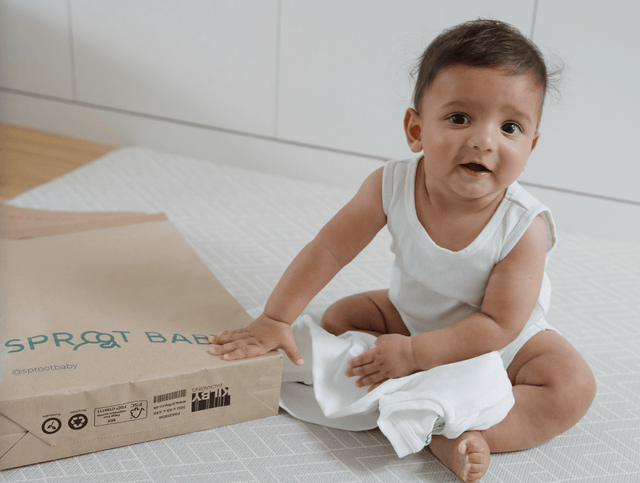
When you're a new parent, it can feel like you should constantly be finding new ways to entertain and stimulate your baby.
The truth is much simpler.
Some of the best opportunities to support your baby's development happen during the routines you're already doing every day. Feeding, bath time, walks and bedtime all offer valuable chances to build language, confidence and connection.
Here are five easy ways to turn ordinary moments into meaningful learning experiences.
1. Feeding time: more than just nutrition
Whether you're breastfeeding or bottle feeding, every feed is an opportunity to connect.
As you hold your baby close, make eye contact, smile and respond to the little noises they make. This back-and-forth interaction helps lay the foundations for communication and language development.
Try:
-
Talking about what you're doing
-
Copying your baby's coos and sounds
-
Smiling and waiting for them to respond
-
Singing softly during feeds
Even though they can't talk yet, your baby is already learning from every conversation.
Keep a soft baby bib handy to catch dribbles and make feeding a little easier, while comfortable organic baby clothes help keep your little one cosy throughout those quiet moments.
2. Bath time: play, learn and splash
Bath time isn't just about getting clean.
It's also an opportunity to introduce your baby to new sensations, sounds and experiences.
As they splash and pour water, they're beginning to explore concepts like cause and effect while developing coordination and confidence.
You can make bath time even more engaging by:
-
Singing nursery rhymes
-
Playing peekaboo with the flannel
-
Naming body parts
-
Talking about warm and cool water
-
Counting splashes together
Afterwards, wrapping your baby in a fresh organic sleepsuit creates a calm transition towards bedtime.
3. Going for a walk: discovering the world together
A simple walk around the neighbourhood becomes a fascinating learning experience when you narrate what you see.
Point out:
-
Trees
-
Birds
-
Cars
-
Clouds
-
Dogs
-
Flowers
Describe textures and movements too:
-
"The pavement is bumpy."
-
"Listen to the birds singing."
-
"Can you feel the breeze?"
If your pushchair allows your baby to face you, they'll also watch your mouth as you speak, helping them learn how sounds and words are formed.
Dressing them in breathable organic baby clothes keeps them comfortable whatever the weather.
4. Mealtimes: learning through messy play
Once your baby starts solids, every meal becomes an experiment.
Dropping spoons, squashing food and exploring textures may seem chaotic, but these actions help develop:
-
Fine motor skills
-
Hand-eye coordination
-
Cause and effect
-
Curiosity
-
Sensory awareness
Talk about what they're experiencing:
-
"The banana is soft."
-
"The yoghurt feels cold."
-
"The carrot is crunchy."
Mess is all part of the learning process.
A practical baby bib can help protect clothes while allowing your little one to explore confidently.
5. Bedtime: ending the day with connection
Bedtime offers one of the best opportunities for calm, focused interaction.
Reading a story, singing quietly or simply chatting about the day helps build language skills while strengthening your bond.
A predictable bedtime routine also gives babies cues that it's time to sleep.
Many families follow a simple sequence:
-
Bath
-
Fresh organic sleepsuit
-
Story
-
Feed
-
Cuddle
-
Bed
These repeated routines create security and familiarity as your baby grows.
You don't need expensive toys
Parents often worry they're not doing enough.
But babies learn most effectively through responsive interaction with the people around them.
Talking, smiling, cuddling and playing during everyday routines provides far more developmental value than constantly introducing new activities.
Comfort helps babies focus on learning
When babies are comfortable, they're free to explore, move and interact with the world around them.
That's why Sproot designs organic baby clothes that are soft, breathable and practical enough for everyday life.
From organic sleepsuits for bedtime to bodysuits for play and baby bibs for feeding adventures, every piece is made to support the moments that matter most.
Built for today's baby - and tomorrow's
Babies grow quickly, but quality clothing shouldn't lose its value.
Through Sproot Loop, our smarter circular system, clothes are designed to stay in use for longer, helping families get more from every purchase while creating a better system for baby clothing that's built to come back.
Final thoughts
Supporting your baby's development doesn't require elaborate activities or packed schedules.
Some of the most valuable learning happens during feeding, bath time, walks, mealtimes and bedtime - the moments you're already sharing every day.
Slow down, talk often, make eye contact and enjoy the little interactions. They may seem ordinary now, but they're helping shape your baby's understanding of the world one routine at a time.