

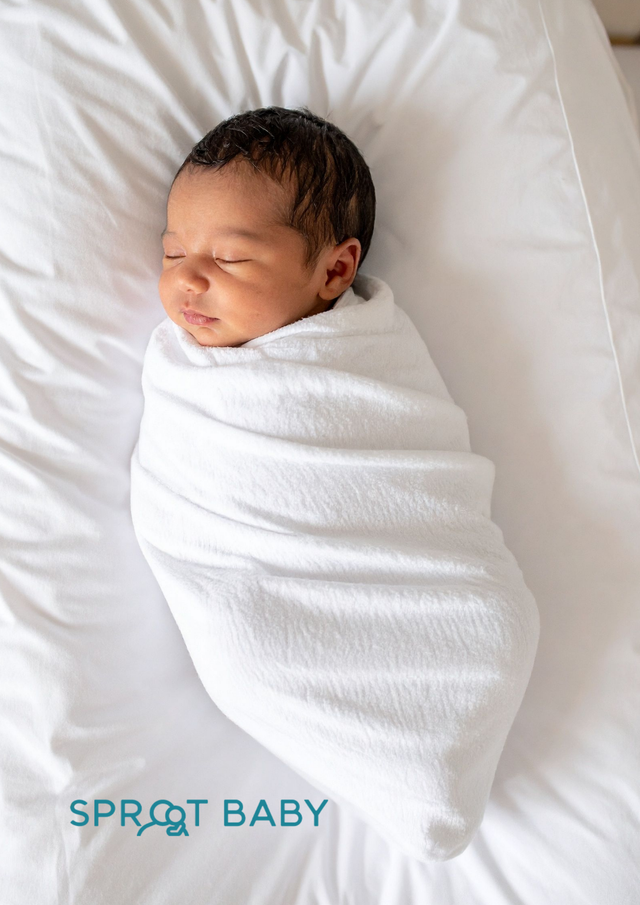
4 ways to swaddle a baby safely: a practical guide for new parents
Learning how to swaddle a newborn can feel surprisingly complicated when you're a new parent.
The good news? There are a few simple techniques you can try to find one that works for you and your baby.
In this guide, we'll show you four ways to swaddle a baby step-by-step, along with the important safer-sleep guidance you need to know — including when to stop swaddling.
Important: If you choose to swaddle, always follow current safer-sleep guidance and stop swaddling with your baby's arms wrapped in as soon as they show signs of rolling.
For many newborns, swaddling can recreate the snug feeling of the womb and help them settle during those early weeks of life.
While swaddling can be an effective soothing technique, it must always be done safely. Following current safe sleep guidance is essential to reduce the risk of overheating or accidental rolling.
What is swaddling?
Swaddling involves wrapping a baby in a lightweight blanket or swaddle to help them feel secure and reduce the startle (Moro) reflex that can wake them unexpectedly.
Many parents find swaddling helpful during the newborn period, although every baby is different and some prefer more freedom to move.
Is swaddling safe?
Yes - when done correctly and for the right age group.
According to The Lullaby Trust, swaddled babies should:
- Always be placed on their back to sleep
- Never be allowed to overheat
- Have enough room for their hips and knees to move naturally
- Be wrapped securely but not tightly around the chest
- Sleep in a cot or Moses basket free from loose bedding and pillows
The swaddle should allow your baby's legs to bend naturally into the "frog position" to support healthy hip development.
When should you stop swaddling?
This is one of the most important safety considerations.
The Lullaby Trust recommends stopping swaddling as soon as your baby shows signs of trying to roll over, which may happen from around 8 weeks, although some babies begin earlier and others later.
Because rolling can happen unexpectedly, many experts advise beginning the transition out of swaddling around 8 weeks of age, rather than waiting until rolling is fully established.
Once your baby can roll, swaddling should stop completely.
The safest alternatives after swaddling
As babies grow, many parents transition into comfortable sleepwear such as:
- Organic sleepsuits
- Age-appropriate baby sleeping bags
- Breathable bodysuits as base layers
This allows babies to move freely while still staying comfortable during sleep.
1. The traditional swaddle
The classic swaddle remains one of the most popular methods.
How to do it
- Lay a square blanket flat and fold one corner down.
- Position your baby on their back with shoulders just below the fold.
- Wrap one side snugly across the body.
- Repeat with the opposite side.
- Fold the bottom upwards while leaving room for the hips and legs to move freely.
Best for
Young newborns who enjoy a snug, womb-like feeling.
2. The arms-up swaddle
Some babies naturally prefer sleeping with their hands near their face.
How to do it
This technique secures the body while allowing the hands to remain higher, giving babies access to self-soothing while still reducing startling.
Best for
Babies who dislike having their arms fully tucked in or enjoy sucking their fingers for comfort.
3. The Houdini swaddle
Perfect for determined escape artists.
This method provides a slightly more secure wrap around the upper body while maintaining flexibility around the hips.
Best for
Babies who repeatedly wriggle out of traditional swaddles but still settle better when wrapped.
4. The double swaddle
The double swaddle uses two blankets to create additional security.
However, extra layers increase the risk of overheating, so great care should be taken when using this technique.
If attempting a double swaddle:
- Monitor your baby's temperature carefully.
- Avoid heavy fabrics.
- Ensure the room isn't too warm.
- Never add unnecessary layers.
For many families, a single lightweight swaddle is a safer and simpler option.
Safe swaddling checklist
Before putting your baby down to sleep, check that:
- They are always placed on their back.
- The swaddle is firm but not tight.
- You can fit two fingers between the swaddle and their chest.
- Their hips and knees can move freely.
- Their face and head remain uncovered.
- They are not overdressed underneath.
- The room temperature is appropriate.
- There are no loose blankets or pillows in the cot.
How do you know if your baby is too hot?
Rather than checking hands or feet, gently feel their:
- Chest
- Back
- Neck
If your baby feels sweaty, clammy or unusually hot, remove a layer immediately.
Breathable fabrics such as organic cotton baby clothes help reduce the risk of overheating while keeping babies comfortable.
Dressing your baby underneath a swaddle
The swaddle itself counts as a layer.
Many newborns only need:
- A lightweight bodysuit underneath
- Or an organic sleepsuit if the room is cooler
Avoid doubling up unnecessarily, especially during warmer months.
Transitioning out of swaddling
When it's time to stop swaddling, many babies adjust well by moving to:
- A baby sleeping bag appropriate for the room temperature
- A comfortable organic sleepsuit
- Soft bodysuits for layering
Because Sproot's clothing is made from breathable GOTS-certified organic cotton, it's ideal for helping babies stay comfortable as they gain more freedom of movement.
A smarter approach to baby sleep
At Sproot, we believe bedtime should be simple.
From soft organic sleepsuits to breathable bodysuits and practical baby essentials, every piece is designed to make everyday parenting easier.
And when your little one eventually outgrows them, Sproot Loop helps keep quality clothing in circulation for longer - because great baby clothes are built to come back.
Final thoughts
Swaddling can be a wonderful way to help some newborns settle, but safety should always come first.
Follow current safe sleep guidance, stop swaddling as soon as your baby shows signs of rolling, and choose breathable clothing that supports comfortable sleep without overheating.
With thoughtful routines, soft organic baby clothes and safe sleep practices, you'll be giving your baby the best possible start to restful nights.
For the latest safer-sleep advice, visit the NHS or The Lullaby Trust.


0 Comments
There are no comments for this article. Be the first one to leave a message!