

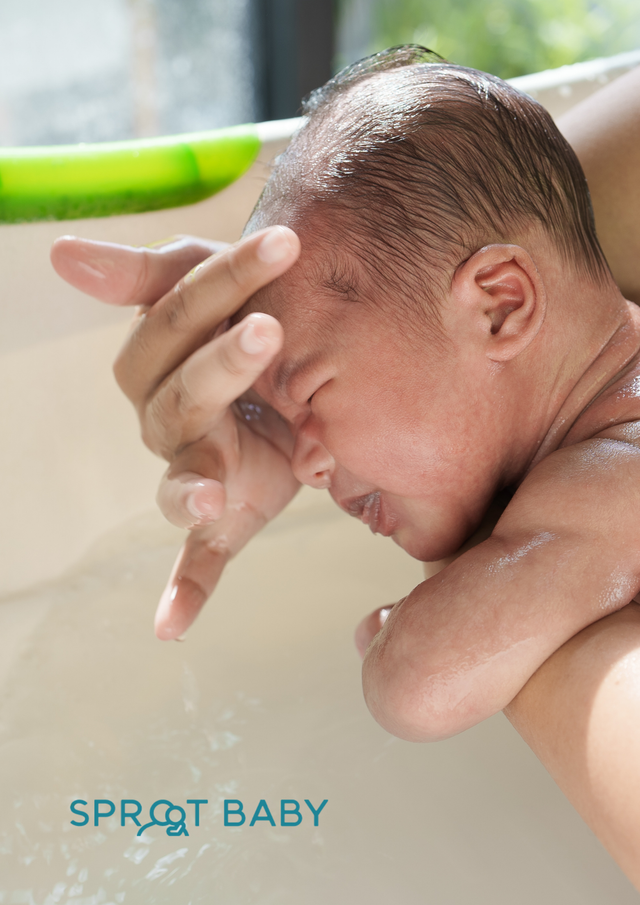
How often should you bathe a newborn? A practical guide for new parents
How often should you bathe a newborn? A practical guide for new parents
Bath time is one of those milestones that many new parents look forward to - but it also comes with plenty of questions.
How often should you bathe a newborn? When should they have their first bath? Is a daily bath necessary?
The reassuring answer is that newborns don't need frequent full baths. In fact, less is often more when it comes to protecting their delicate skin.
Here's everything you need to know about creating a simple, stress-free bath routine.
When should a newborn have their first bath?
Most hospitals now delay a baby's first bath for at least 24 hours after birth, allowing time for temperature regulation and helping preserve the natural protective layer on their skin.
Once you're home, it's usually recommended to wait until the umbilical cord stump has fallen off before giving your baby a full bath. Until then, sponge baths or top and tail washes are perfectly sufficient.
How often should you bathe a newborn?
For most babies, two or three baths each week is plenty.
Daily bathing isn't necessary and can dry out delicate skin.
On the days in between, simply clean the areas that need it most:
-
Face
-
Neck folds
-
Hands
-
Nappy area
This simple routine keeps your baby fresh without over-washing.
What is a top and tail bath?
A top and tail wash is a gentle alternative to a full bath.
Using warm water and a soft cloth, clean your baby's:
-
Face
-
Neck
-
Hands
-
Underarms
-
Bottom and nappy area
It's quick, practical and ideal during the first weeks while the umbilical cord heals or whenever a full bath isn't needed.
What is the ideal temperature for a newborn bath?
Bath water should feel comfortably warm, not hot.
Aim for a temperature of around 37°C to 38°C, which is close to normal body temperature.
A bath thermometer can help, but many parents simply test the water with their elbow or wrist before placing their baby in the bath.
The room itself should also be warm to prevent your baby becoming chilled after coming out of the water.
Bathing your baby with the umbilical cord stump
Until the cord stump naturally falls away, avoid soaking it in water.
Instead:
-
Use sponge baths or top and tail washes
-
Keep the stump as dry as possible
-
Gently pat the area dry if it gets wet
Once the cord has healed, you can begin regular baths.
Making your baby's first bath a calm experience
Your newborn's first bath at home doesn't need to be elaborate.
Choose a time when they're awake and content, rather than hungry or overtired.
Have everything ready before you begin:
-
Soft towel
-
Fresh nappy
-
Clean clothes
-
Warm room
-
Gentle washcloth
Keeping the experience relaxed helps bath time become something both you and your baby enjoy.
What should baby wear after a bath?
Once your baby is dry, dressing them promptly helps them stay comfortable.
Soft, breathable organic sleepsuits are perfect after bath time, providing warmth without overheating.
If it's daytime, layering with an organic bodysuit underneath gives you flexibility as temperatures change.
And for those inevitable post-bath dribbles, having a soft baby bib close by is always useful.
Bath time = outfit change time
Many parents naturally use bath time as an opportunity to change into fresh sleepwear.
Because babies can outgrow clothes every few months, investing in high-quality organic baby clothes that are made to last makes everyday routines simpler.
At Sproot, every piece is designed with soft GOTS-certified organic cotton that's gentle against delicate skin and practical enough for repeated washing.
Safety tips for newborn baths
Keep bath time safe by following a few simple principles:
-
Never leave your baby unattended, even for a second
-
Prepare everything before starting
-
Keep the room warm
-
Test the water temperature first
-
Support your baby securely throughout the bath
-
Dry carefully, especially skin folds and creases
Simple routines are often the safest ones.
Can you bathe with your newborn?
Some parents choose to share a bath with their baby as a bonding experience.
If you do:
-
Make sure another adult is present to help you in and out
-
Hold your baby securely at all times
-
Ensure the water isn't too deep or too hot
Safety should always come first.
Creating a simple bath-time routine
A calm evening routine can help signal that bedtime is approaching.
Many families follow a pattern of:
-
Bath (two or three nights a week)
-
Gentle cuddle or massage
-
Re-dress in a soft organic sleepsuit
-
Feed
-
Bedtime
Keeping the routine predictable can help both babies and parents settle into the evening.
A smarter system for everyday essentials
Bath time means fresh clothes almost every day, which is why practical basics matter.
From soft bodysuits to comfortable organic sleepsuits, Sproot is designed around the reality of parenting - creating clothes you'll reach for again and again.
And when your little one eventually outgrows them, Sproot Loop helps those garments continue creating value by staying in circulation for longer.
Final thoughts
You don't need to bathe your newborn every day to keep them clean and healthy.
A combination of top and tail washes, two or three baths each week and soft, breathable clothing after bath time is usually all your baby needs.
Keep things simple, trust your instincts and focus on creating a calm routine that works for your family.
Bath time can become one of the most enjoyable parts of the day.


0 Comments
There are no comments for this article. Be the first one to leave a message!